OUR BRAND PROMISECalifornia Estate Planning, Satisfaction Guaranteed
At the Law Offices of Daniel A. Hunt, we’re consistently driven to provide valuable information for our clients’ peace of mind.
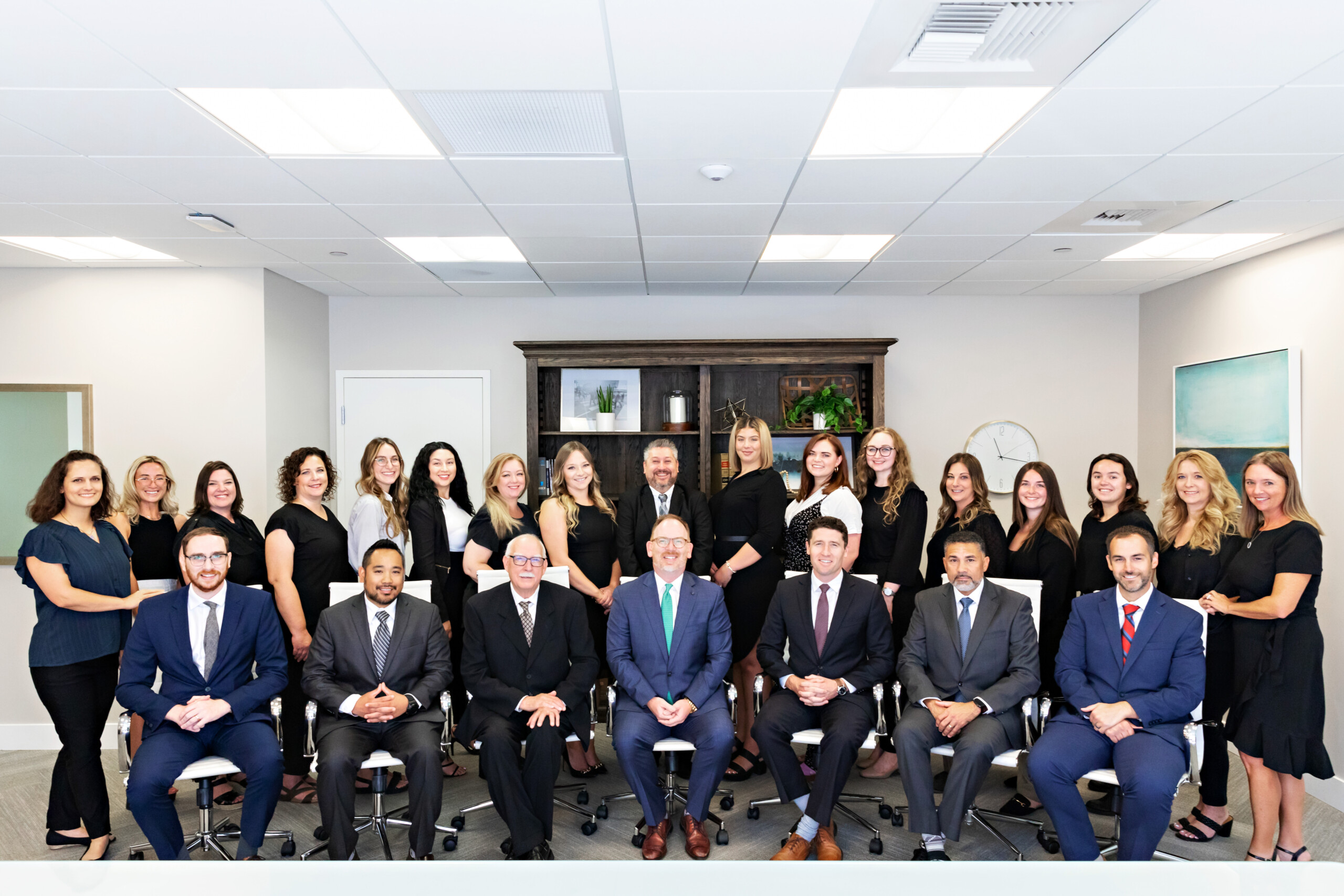

We've helped over 10,000 individuals and families find peace of mind.
CALIFORNIA LIVING TRUST ATTORNEYS
For over a decade, the Law Offices of Daniel A. Hunt have provided superior legal services for everything within the California Probate Code. With our strong emphasis on core values, our client-centered approach, and our convenient locations, it’s no wonder our firm is THE choice for trust and estate attorneys in Sacramento, Roseville, Folsom, and beyond.
Our firm offers three Northern California offices in Sacramento, Roseville, and Folsom. We also offer satellite offices in Fresno, Newport Beach, Palm Desert, San Diego, San Francisco, San Jose, Santa Barbara, and Santa Rosa. Our estate planning attorneys offer in-person, telephonic, and virtual appointments.
Ready to find your peace of mind? Request your no-cost initial consultation today.
Our practice focuses on estate plan creation, administration, and litigation; probate; and conservatorships.
Estate Planning
Estate Planning includes trusts, wills, financial & medical powers of attorney, and more.

Trust & Estate Litigation
We represent both trustees and beneficiaries in trust & estate litigation matters including will and trust contests, contesting fiduciary accountings, and more.
Probate
We assist with California probates when a person dies without a will, with only a will, or with assets left outside of a trust.
Trust Administration
When a settlor passes away, we coach trustees step-by-step through the trust administration.
Conservatorships
When an adult loses capacity without an estate plan in place, we help seek a court-ordered conservatorship.

Resources to Help You Get Started
We offer videos, FAQs, educational events, client resources, and more to help you find clear answers to your legal questions.
View Resources
What Sets Us Apart
-

Helpful
-

Efficient
-

Knowledgeable
-

Accountable
-

Honest
What We Offer
- We GUARANTEE our clients’ satisfaction with our estate plans – or you pay what you think is reasonable!
- We respond to client communication within 1 business day
- Monthly check-ins with ongoing active cases
- No-cost consultation for every new client
- No-cost consultation for all successor trustees when a settlor passes away
- Annual e-newsletter with legal updates
- Access to no-cost educational events and informative content
- Reduced hourly attorney rate for client trust review appointments